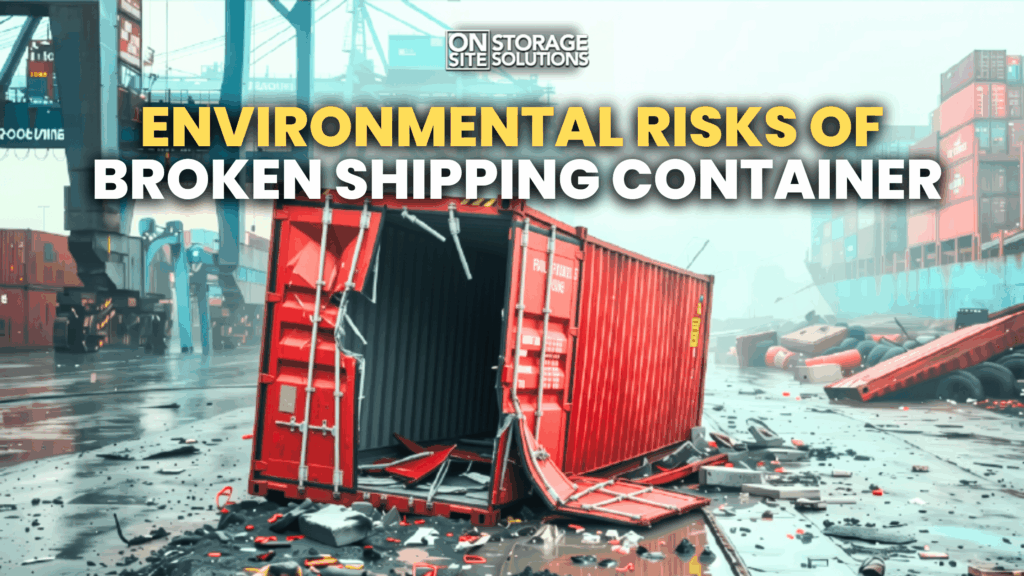



A broken shipping container is a growing concern in global trade, impacting both the environment and cargo safety. When these containers get damaged, they can release harmful substances, waste resources, and compromise the efficiency of transport operations. Addressing these issues early helps businesses prevent unnecessary costs and ensures compliance with environmental standards.
Trade relies on containers to move goods safely. Damaged shipping containers not only risk cargo loss but can also cause environmental hazards like leaks, metal waste, and pollution. Understanding these risks is essential for sustainable operations.
In this article, we’ll explore the causes, risks, and solutions for managing them responsibly.
Common Types of Broken Shipping Container
Shipping containers are essential for global trade, but when they sustain damage, they can pose risks to cargo, operations, and the environment.
The types of broken shipping container include:
- Structural Damage: Dents, cracks, holes, rust, or corrosion that weaken the container. This type of damage not only affects the container’s integrity but can also compromise the safety of the cargo.
- Environmental Damage: Exposure to rain, extreme heat, cold, or poor handling can lead to accelerated wear and contamination risks.
- Cargo Damage: Spoiled contents from improper temperature or handling can cause financial loss and environmental waste.
- Operational Damage: Malfunctioning doors, locks, or ventilation issues reduce container functionality and efficiency.
- Security Damage: Theft, tampering, or unauthorized access can compromise the container’s contents and create operational or legal risks.
Causes of Broken Shipping Container
Various factors and handling practices can lead to container damage, including improper loading, extreme weather exposure, transportation accidents, or lack of maintenance:
- Rough Handling: Improperly handled cargo can cause dents, scratches, and weaken the container’s structure.
- Extreme Weather: Heavy rain, snow, or extreme heat can accelerate rust, corrosion, and material fatigue.
- Accidents: Collisions, drops, or poor stacking during transport can cause significant structural damage.
- Incorrect Packing: Shifting or poorly packed cargo can damage both the container and its contents.
- Neglect: Failing to perform routine inspections or maintenance can worsen existing damage and reduce the container’s lifespan.
By understanding these causes, businesses can implement proactive strategies to protect containers, safeguard cargo, and support environmentally responsible operations.
Ways to Prevent Broken Shipping Container
Preventing broken shipping container is vital to protect the environment and ensure safe transport:
- Handle With Care: Gently load and unload cargo to avoid unnecessary stress on the container.
- Regular Maintenance: Inspect containers frequently and address rust, cracks, or mechanical issues immediately.
- Use Protective Materials: Apply locks, corner guards, and proper packing to secure cargo and reduce movement.
- Monitor Environmental Conditions: Controlling temperature and humidity preserves both container and cargo.
- Train Staff: Educate handlers on proper container management to prevent damage.
- Leverage Technology: Use sensors and monitoring systems to detect problems early, reducing the risk of prolonged damage.
For businesses replacing damaged units, high-quality ISO containers for sale offer durability, compliance, and support safer transport, cost savings, and corporate sustainability goals.
Regular Monitoring and Inspection
Regular monitoring of shipping containers helps detect early signs of wear and hazards. Inspections should check structural integrity, doors, locks, and any rust or corrosion, while also noting environmental exposure like humidity, rain, or extreme temperatures.
Routine checks and proper documentation, like a shipping container CSC survey, keep containers safe, compliant, and efficient. Regular inspections help prevent costly issues, extend container lifespan, protect cargo, and support environmentally responsible operations.
Consistent monitoring also allows companies to plan maintenance proactively and maintain smooth, efficient transport operations.
Eco-Friendly Disposal and Recycling
When it’s time to retire broken shipping container, follow environmentally responsible options:
- Recycling Programs: Confirm with local recyclers if containers are accepted. Proper recycling helps reduce metal waste and pollution.
- Resale: Selling usable containers gives them a second life and supports sustainable practices.
- Authorized Scrapping: Utilize certified scrap metal dealers to ensure safe disposal.
- Donation: Consider donating containers to organizations or community projects that can repurpose them.
- Professional Assistance: Hire companies specializing in container relocation or disposal for efficiency and compliance.
Adopting these disposal methods reduces environmental harm while maximizing resource recovery.
Sustainable Container Management
Proper management of shipping containers is essential to protect cargo, reduce environmental impact, and maintain smooth global trade operations. By inspecting containers regularly, preventing damage, and addressing issues early, businesses can ensure both operational efficiency and eco-friendly practices.
Choosing durable, high-quality containers and following sustainable disposal or recycling practices further supports a cleaner environment. Addressing issues with a broken shipping container promptly not only safeguards cargo but also contributes to a safer, greener planet for everyone.
At On-Site Storage Solutions, we provide durable, eco-friendly shipping containers for temporary or long-term storage. Our solutions help protect your cargo while reducing environmental impact. Call us at (888) 977-9085 for safe, sustainable container solutions today.
FREQUENTLY ASKED QUESTIONS
Liability for cargo damage depends on the shipping contract, type of carrier, and cause of damage. Typically, the carrier is responsible if the damage occurs during transport, but shippers must ensure proper packing and handling to reduce risks.
Immediately document the damage, isolate the container to prevent further risk, and notify relevant authorities or the carrier. Conduct an inspection, assess cargo safety, and follow company protocols or insurance requirements to resolve the issue efficiently and responsibly.
Containers can suffer structural damage like dents, rust, or holes, environmental damage from weather exposure, operational issues with doors or locks, and cargo damage from poor packing or temperature fluctuations. Proper monitoring helps mitigate these risks.
Container damage often results from rough handling, accidents during transport, environmental exposure, shifting cargo, and lack of maintenance. Identifying these causes allows businesses to implement preventive strategies and protect both cargo and the environment.
Key safety tips include handling cargo carefully, securing loads properly, inspecting containers regularly, using protective materials, and training staff on proper handling procedures. Following these practices reduces damage risks and supports safe, efficient transport operations.


