



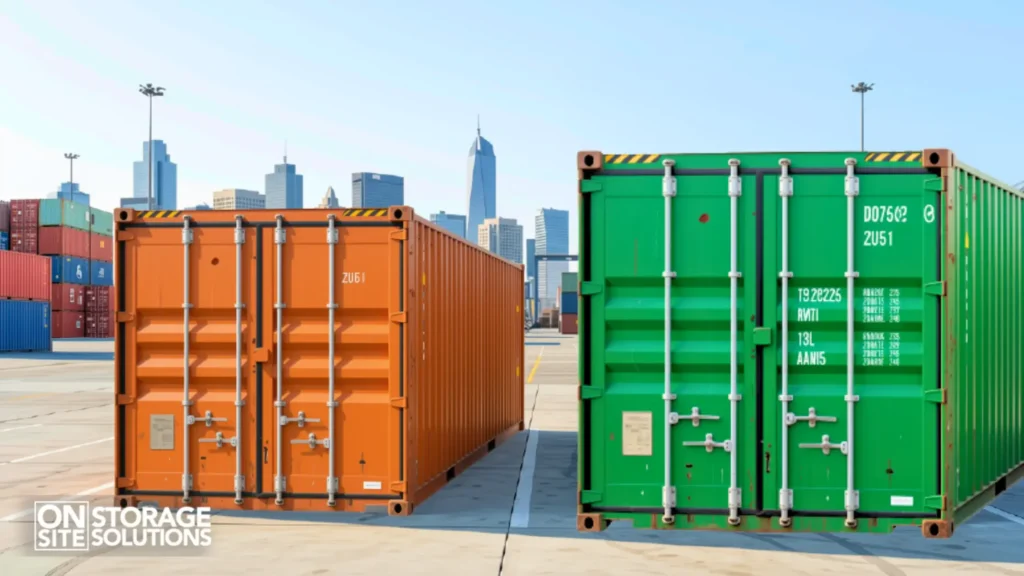
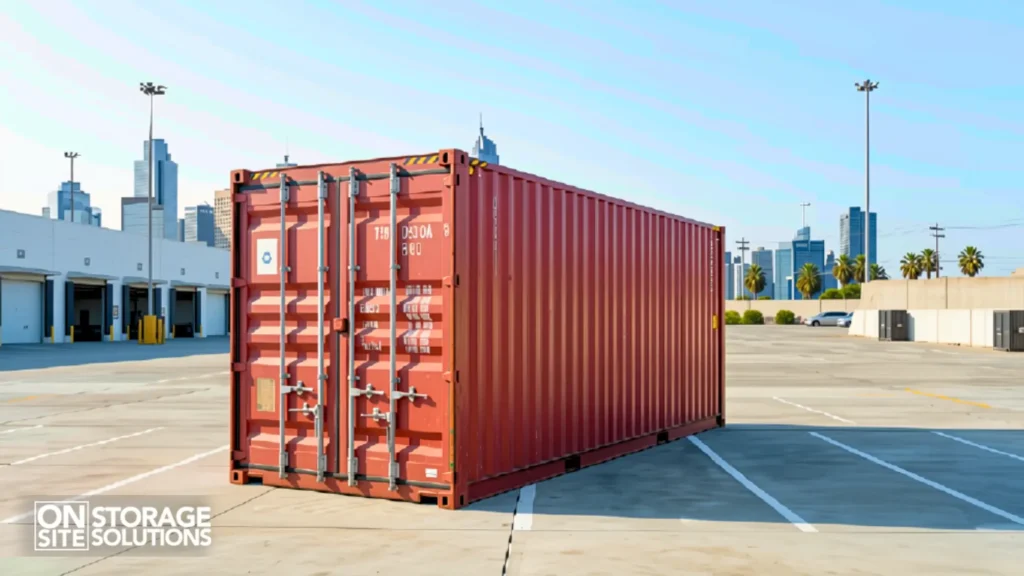

An Oakland shipping container can do more than hold extra equipment. It can help a construction crew secure valuable tools, give a growing business more room for inventory, or provide a foundation for a custom workspace.
The right setup can solve space problems without requiring a larger permanent building. With different sizes, conditions, and customization options available, businesses and property owners can choose a container that fits their specific needs.
Key Takeaways
- Shipping containers can support construction storage, business inventory, pop-up retail, mobile offices, and residential projects.
- The best container depends on the space you need, how you plan to use it, and what fits your budget.
- Security features, interior organization, and site access can make a major difference in daily use.
- Oakland placement, zoning, and permit requirements should be checked before delivery or modification.
- On-Site Storage Solutions offers new and used containers for customers who need practical storage options.
Secure Construction Equipment With an Oakland Shipping Container
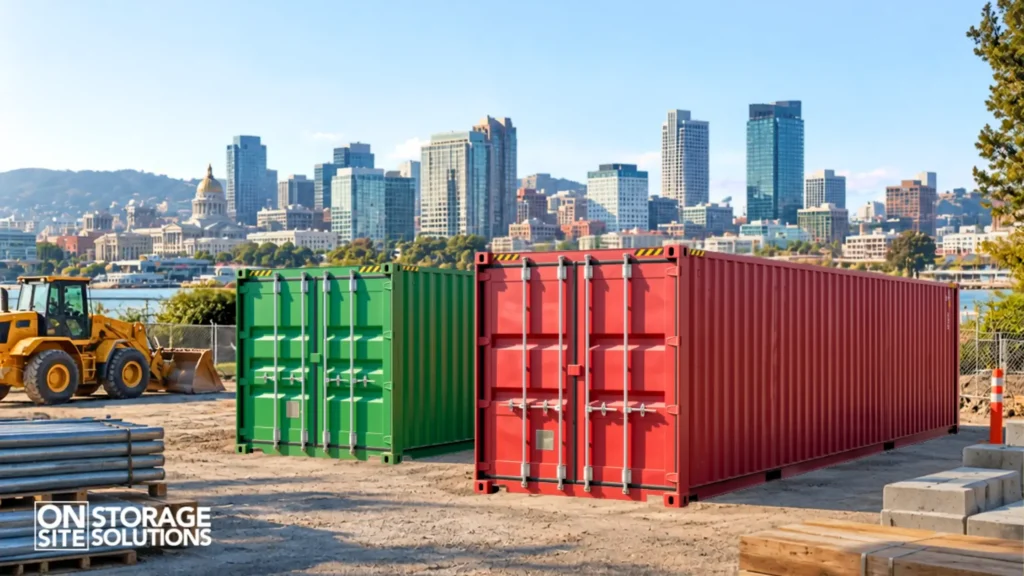
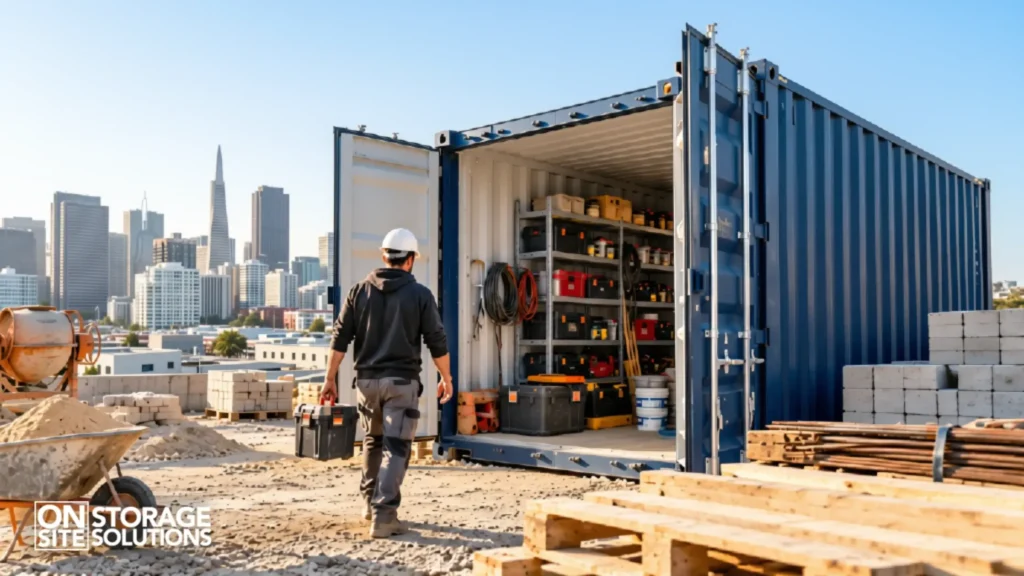
Construction sites need a dependable place to keep tools, materials, and equipment between work shifts. An Oakland shipping container gives contractors a lockable storage area close to the work zone. It can also help keep the site organized by giving workers one designated place for equipment instead of spreading supplies across the property.
Choosing the Right Oakland Shipping Container for Jobsite Storage
Choose a 20ft container for smaller tools and materials, or a 40ft container for larger equipment and bulk supplies.
Before choosing, consider these factors:
Consideration | What to Check |
Equipment dimensions | Measure large tools and machinery to ensure they fit through the doors and inside the container. |
Storage volume | Allow enough room for workers to move items in and out without blocking access. |
Delivery access | Make sure the truck can reach the placement area and position the container safely. |
Future needs | Consider whether equipment and material storage needs may increase as the project progresses. |
Protecting Construction Tools and Materials From Theft and Weather
Use a heavy-duty lock and lockbox to secure the container. Choose a wind- and watertight unit to help protect tools and materials from moisture.
Before use, inspect the roof, doors, seals, and floor. Also, place the container in a visible area with good lighting and controlled access to improve site security.
Expand Business Inventory Storage With an Oakland Shipping Container
Growing businesses often need extra room for seasonal products, supplies, and incoming orders. Shipping containers Oakland businesses add inventory storage without requiring a larger facility.
Managing Overflow Inventory and Seasonal Stock
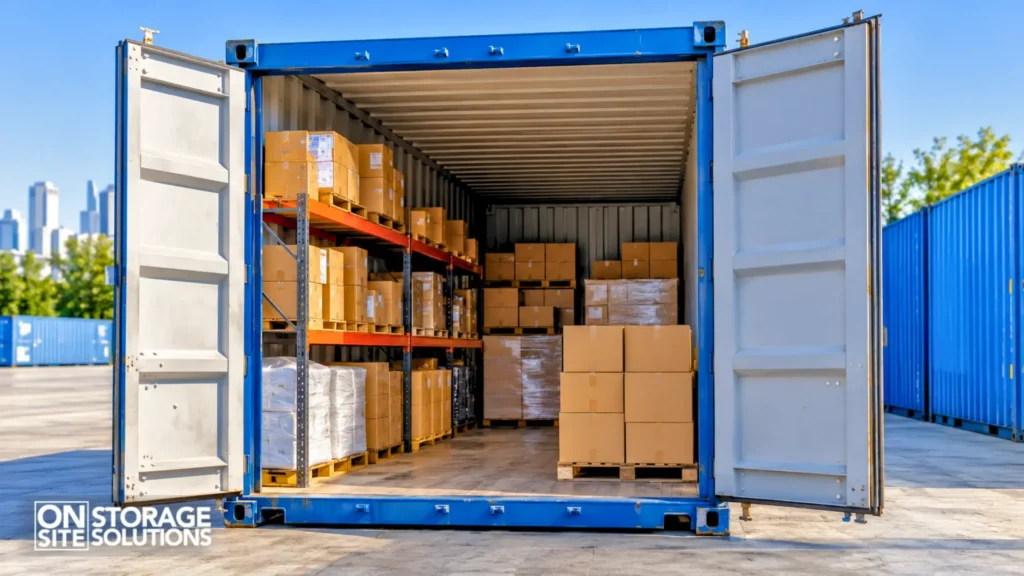
Businesses can use extra container space to store seasonal products, boxed inventory, packaging materials, and backup stock. This helps keep the main facility organized while making room for incoming orders.
For easier inventory management, follow these practices:
- Keep frequently needed products near the entrance.
- Store heavy boxes on stable surfaces.
- Separate items with special storage needs.
- Protect sensitive goods from moisture and heat.
- Keep walkways clear for easy access.
Products requiring temperature control may need specialized storage instead of a standard container.
Organizing Inventory Inside an Oakland Shipping Container
Shelving, labeled bins, and designated storage areas help employees find products quickly. An Oakland shipping container can provide organized storage for incoming stock, active inventory, packaging materials, and reserve products, making supplies easier to track and access.
Storage Feature | Practical Benefit |
Heavy-duty shelving | Keeps boxes and supplies organized |
Clear labels | Helps employees locate products |
Separate storage zones | Prevents different product groups from mixing |
Proper ventilation | Helps reduce moisture buildup |
Clear walkways | Makes loading and retrieval easier |
In addition, review the inventory layout as the business grows. A well-organized container can support daily operations instead of becoming another crowded storage area.
Build Pop-Up Retail Shops With an Oakland Shipping Container
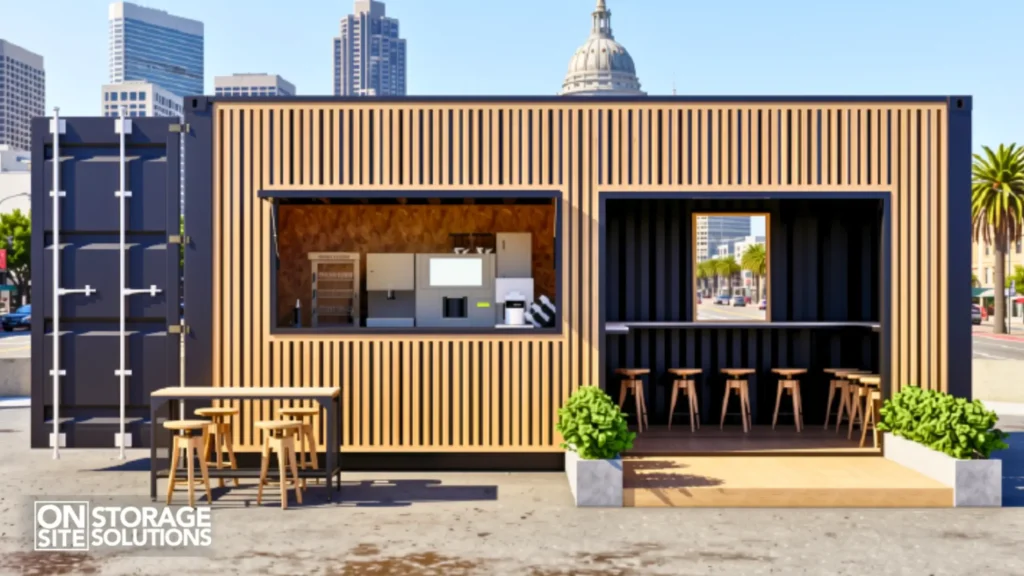
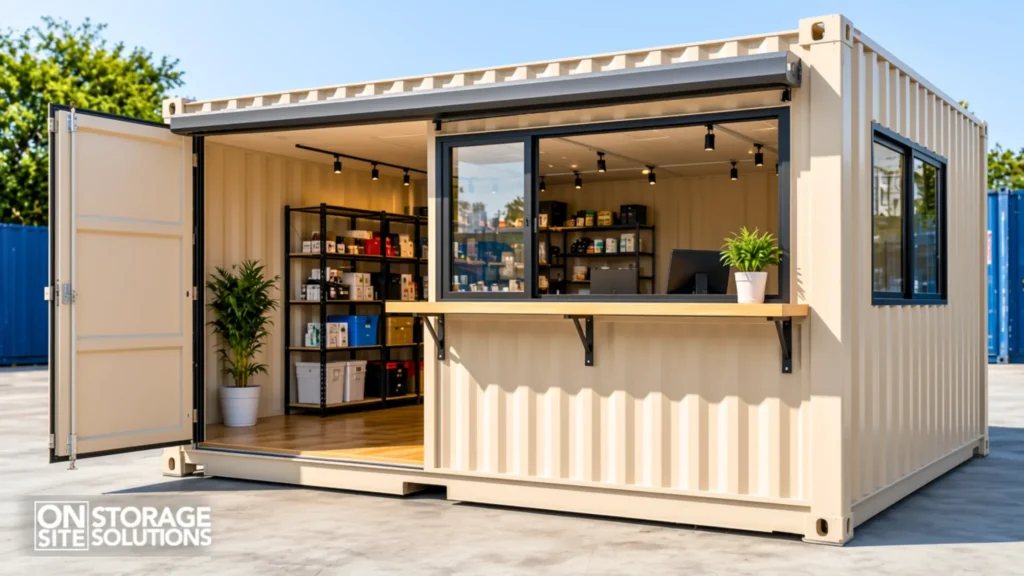
A shipping container can serve as a customer-facing space for pop-up shops, food vendors, and retail displays. An Oakland shipping container can be modified for promotions, events, and temporary sales, giving businesses a flexible retail space without leasing a permanent storefront.
Turning Shipping Containers Into Functional Retail Spaces
A modified container can become a small shop, coffee kiosk, or merchandise outlet. Add display shelves, a service counter, and storage cabinets based on the products you sell and how customers will use the space.
Planning Doors, Windows, and Interior Modifications
Choose modifications that support daily operations and customer access. Common options include:
- Service windows for customer transactions
- Additional doors for easier access
- Electrical wiring for lighting and equipment
- Interior finishes for a clean appearance
- Shelving and counters for product displays
- Exterior signage for brand visibility
Plan these changes before ordering the container. Structural alterations and utility installations may require qualified professionals and local approvals.
Set Up Mobile Offices With an Oakland Shipping Container
Construction teams need a convenient space for meetings, paperwork, and daily coordination. A modified shipping container can serve as an on-site office without the need for a permanent building.
Creating Dedicated Work Areas for Project Teams
A container office can provide space for desks, project documents, equipment records, and team meetings. An Oakland shipping container can be customized with workstations, chairs, and storage cabinets to create a functional workspace that meets the team’s needs.
Planning Insulation, HVAC, and Electrical Systems
A functional office needs proper insulation, ventilation, lighting, and temperature control. Before modifying the container, consider:
- Insulation for indoor comfort
- Heating and cooling equipment
- Safe electrical wiring and outlets
- Interior lighting and ventilation
- Space for desks and office equipment
Have qualified professionals handle electrical and mechanical installations to ensure safe and reliable operation.
Create Residential Studios and Accessory Dwelling Units
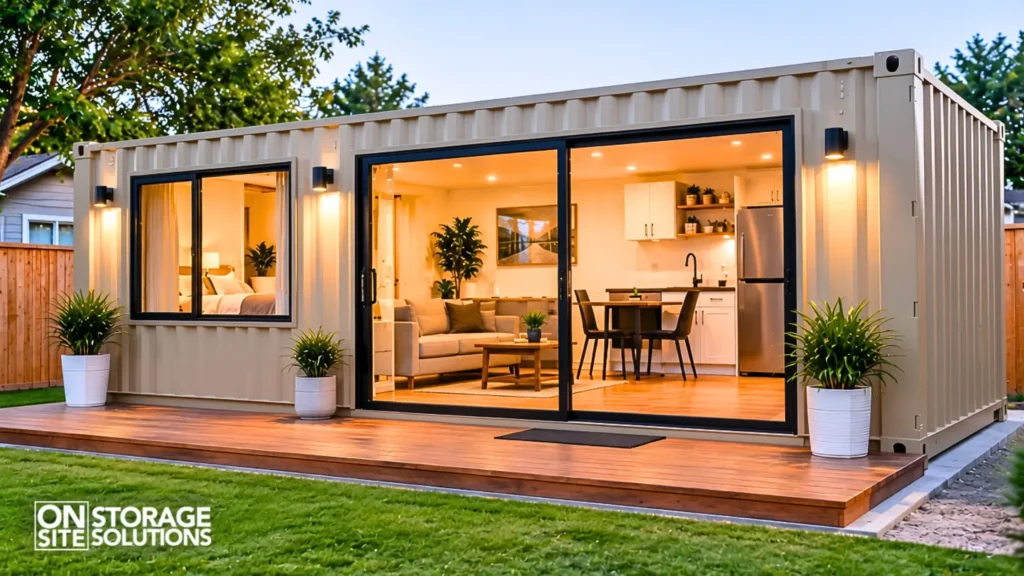
Shipping containers can be converted into backyard studios, guest spaces, and accessory dwelling units (ADUs). However, residential projects require proper planning for safety, utilities, and building requirements.
Exploring Residential Container Applications
A container can provide a separate workspace, creative studio, or guest area. For ADUs, the design must accommodate essential living spaces, including sleeping, cooking, and sanitation areas.
Understanding Structural and Utility Requirements
Residential conversions may require structural changes, insulation, plumbing, electrical systems, and interior improvements. Work with qualified professionals to plan these modifications.
Placing a shipping container on a residential property does not automatically make it an approved dwelling. In Oakland, ADUs must meet applicable zoning and building requirements, including necessary reviews and permits. Confirm these requirements before starting construction.
Understand Oakland's Placement, Zoning, and Permit Requirements
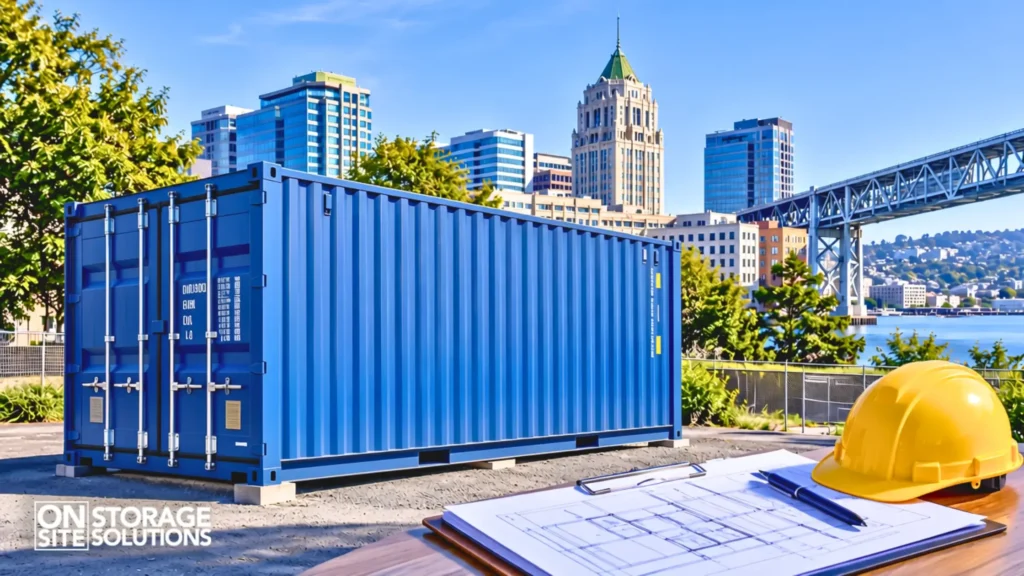
Before arranging delivery, check Oakland’s zoning, placement, and permit requirements. Rules may vary depending on the container’s location, intended use, duration, and planned modifications.
Review these key considerations:
- Property zoning: Confirm that the intended use is allowed.
- Placement and setbacks: Check location, access, and distance requirements.
- Temporary storage: Verify rules for placement duration and use.
- Business use: Check applicable zoning and business approvals.
- Structural modifications: Confirm requirements for new doors, windows, electrical systems, and plumbing.
- Residential use: Review Oakland’s ADU zoning and building requirements.
Use the table below to identify what to check for each planned application.
Planned Use | What to Confirm |
Temporary storage | Placement rules and any time limits or permit requirements |
Long-term storage | Zoning approval and requirements for continued placement |
Commercial use | Approval for the business activity and any required building work |
Residential conversion | ADU eligibility, zoning review, building permits, and applicable codes |
Permit requirements vary based on the container’s intended use and planned modifications. Business activities, new structures, and changes to electrical, mechanical, or plumbing systems may require City approval.
Contact Oakland’s Planning and Building Department to confirm applicable requirements before delivery and avoid unnecessary delays or costs.
Find the Right Oakland Shipping Container for Your Business or Project
Choose a container based on your storage needs, intended use, and budget. When comparing an Oakland shipping container, consider its size, condition, and price to avoid unexpected repair costs.
Comparing Oakland Shipping Container Sizes, Conditions, and Prices
A 20ft container suits smaller storage needs, while a 40ft standard or high cube offers more room for larger loads. When comparing shipping containers for sale Oakland CA, consider size, condition, and price to find the right fit for your needs.
Here are the available purchase prices for comparison:
Container Type | Condition | Price |
20ft | Used, AS IS | $1,399 |
20ft | Used, WWT | $1,499 |
20ft | Used, grade to confirm | $1,699 |
40ft high cube | Used, AS IS | $1,829 |
20ft | New | $2,700 |
40ft standard | New | $3,800 |
40ft high cube | New | $3,800 |
Container condition is just as important as size. Before choosing a unit, understand what each condition means for your project.
- AS IS: Sold in its existing condition. Inspect the unit before purchase.
- WWT: Wind and watertight, suitable for general storage.
- New: Unused container that has not carried previous cargo.
- Grade to Confirm: The $1,699 listing has an unconfirmed grade. Ask the supplier for its condition and inspection details.
A high cube container provides extra interior height for taller items and equipment. Also, consider the preparation or modification costs before choosing a container.
Choosing Between Buying and Renting a Container
Buying can be a practical option for long-term storage needs. If you plan to buy a shipping container in Oakland CA, consider your expected usage, available budget, and the total cost compared with renting
Before deciding, consider:
- Expected storage duration
- Total cost over time
- Required size and condition
- Delivery and placement arrangements
- Site preparation or modification costs
Find a Container That Fits Your Needs
The right shipping container can help secure construction equipment, expand business storage, or create a functional workspace. Choose a size and condition that match your intended use, available space, and budget.
On-Site Storage Solutions offers new and used shipping containers for businesses, contractors, and property owners in Oakland. Call (888) 977-9085 to discuss your storage needs, compare available options, and get help choosing the right container. You can also request a free shipping container quote.
Share your preferred container size, intended use, and delivery location to get started.
FREQUENTLY ASKED QUESTIONS
Modification costs depend on the container’s size, condition, design, and required upgrades. Adding doors, windows, insulation, electrical systems, or plumbing can increase the total cost. Request an estimate based on your project requirements.
Businesses and contractors can use shipping containers for equipment, tools, building materials, and inventory storage. Their lockable structure and range of sizes make them useful for projects that need additional space without expanding an existing facility.
Converting a shipping container into a home in Oakland requires compliance with applicable zoning, building, and safety requirements. The project may need structural reviews, utility installations, and permits. Confirm local requirements before construction or occupancy.
A well-maintained container can last 25 years or longer, depending on its initial condition, frequency of use, and exposure to weather. Regular inspections, rust treatment, and roof maintenance can help extend its service life.
Leasing is often more practical for short-term business projects because it requires less upfront investment. Buying may offer better long-term value for businesses that need consistent storage space and want to avoid recurring rental payments


