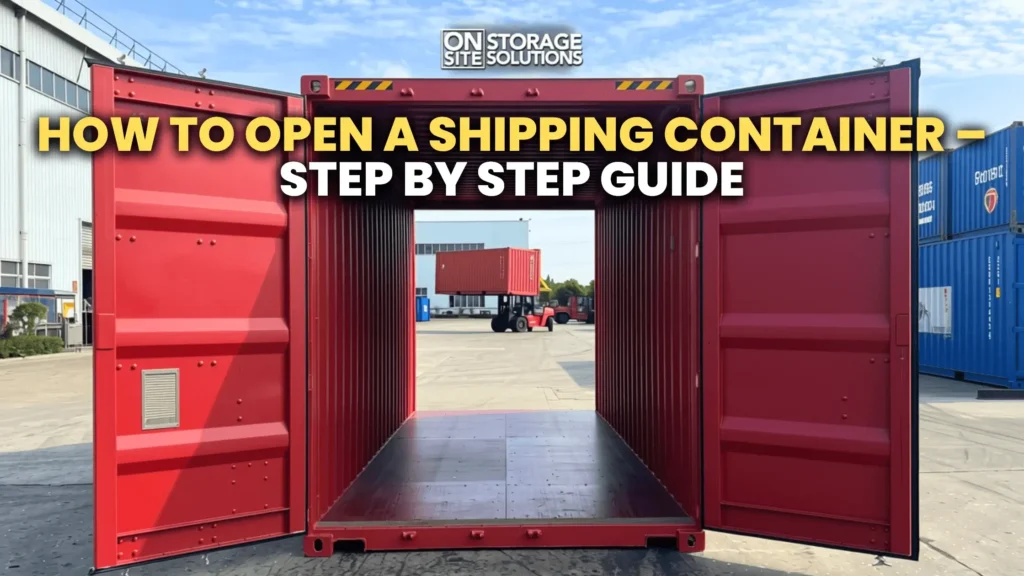



Learning how to open a shipping container properly is essential for anyone working in logistics, storage, or shipping. Shipping containers are designed to protect valuable cargo and ensure safe transit.
However, if handled incorrectly, opening or closing one can be risky and even damage the contents. This step-by-step guide provides clear instructions, practical tips, and safety measures to handle shipping containers effectively.
Understanding the mechanics of the container, the locking systems, and the proper order of operations can save you time, prevent injuries, and ensure that cargo remains intact during handling.
How to Open a Shipping Container: Preparing for Safe Access
Before learning how to open a shipping container, it’s crucial to prepare the workspace and understand the type of cargo inside. Ensure the container is placed on a level surface or a proper loading dock to prevent tilting or shifting of contents. Uneven surfaces can make doors harder to operate and increase the risk of accidents.
Next, inspect the container for any visible damage. Look for dents, rust, or warped doors that may hinder smooth operation. Check the shipping container door configurations, as some containers have double doors, side doors, or reinforced SecuraCam seals. Understanding the configuration helps you approach the opening process correctly.
Safety gear is also necessary. Protective gloves, sturdy footwear, and safety glasses are recommended. These precautions reduce the risk of injury while handling the heavy metal doors and seals.
Complete Steps for Opening and Closing
1. How to Open a Shipping Container - Removing Seal and Locks Safely
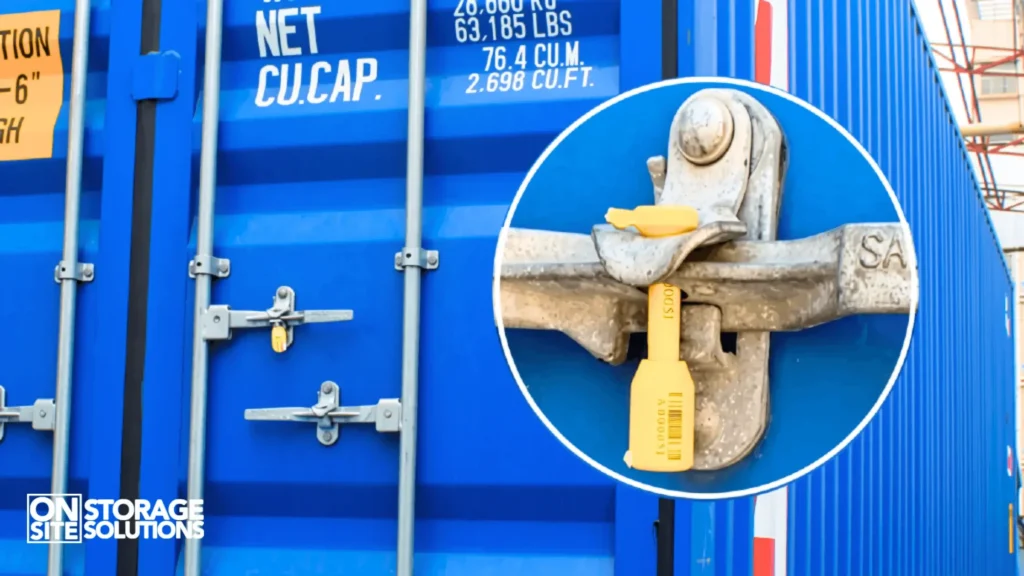
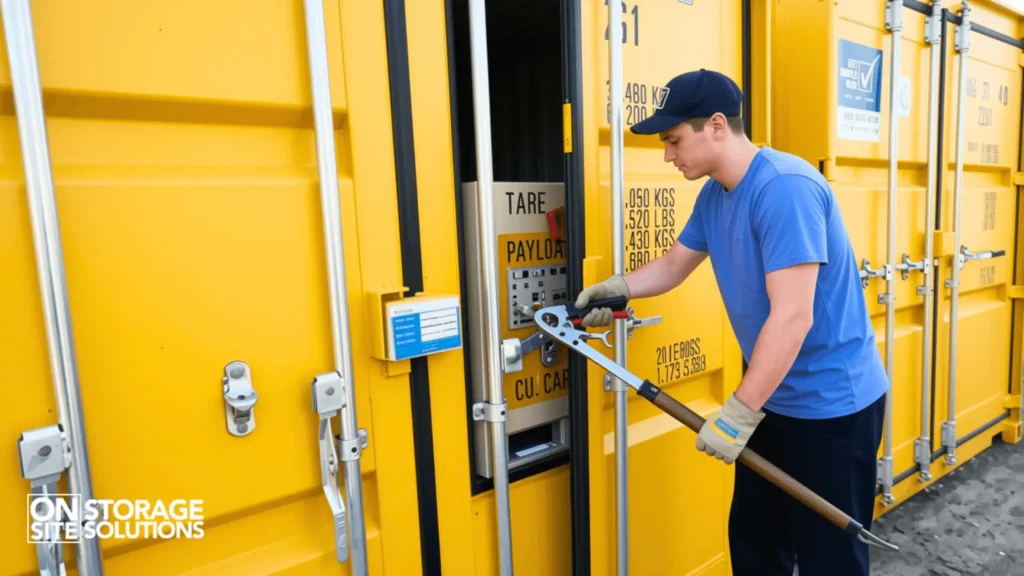
One of the first steps in learning how to open a shipping containerr is dealing with the seals. Most containers come with cable seals or bolt locks that prevent unauthorized access during transit. Some containers also feature a SecuraCam seal for added security, especially on high-value cargo.
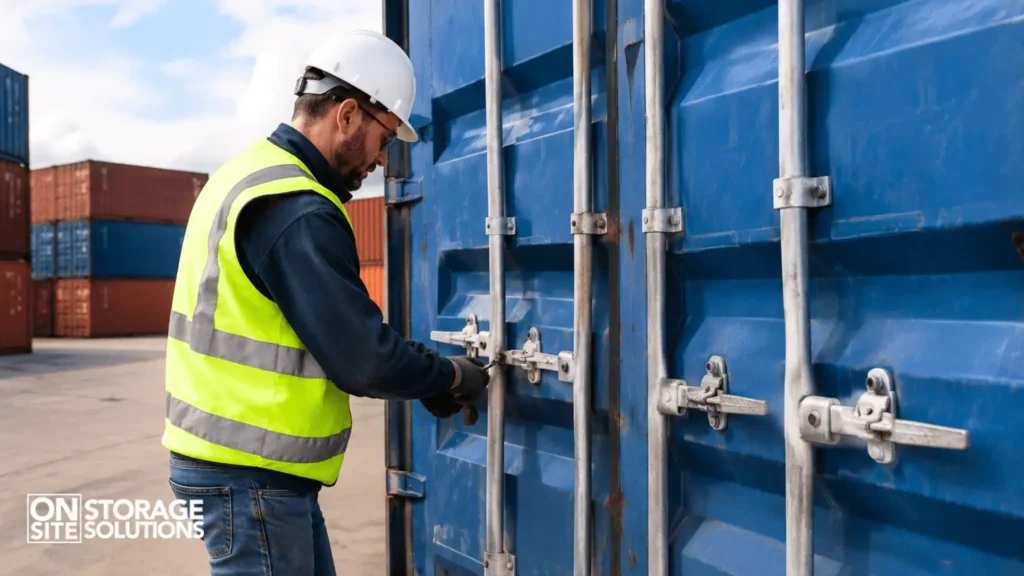
Use a bolt cutter to remove these locks safely. Hold the handles firmly and position the open jaws around the thinnest part of the seal. Apply steady pressure until the seal breaks. Always ensure your hands and body are positioned safely to avoid slips or injury during this process.
Checking that the seal is completely removed is essential. A partially cut seal may still obstruct the door, creating unnecessary resistance and possible safety hazards.
2. Opening the Right Door First
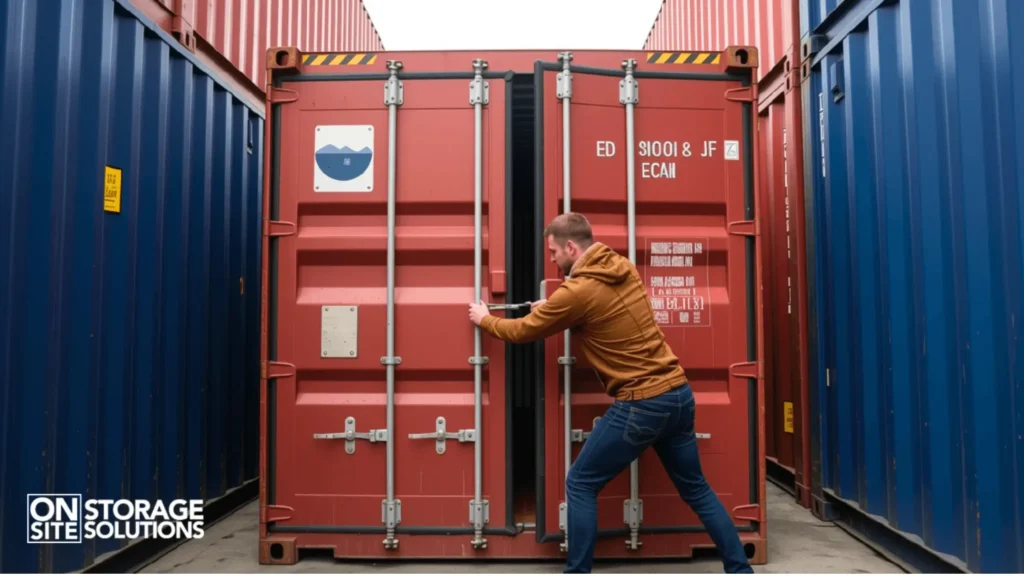
Once the seals are removed, you begin how to open a shipping container by handling the doors in the correct order. Always start with the right-hand door. The right door is usually slightly larger and covers part of the left door when closed.
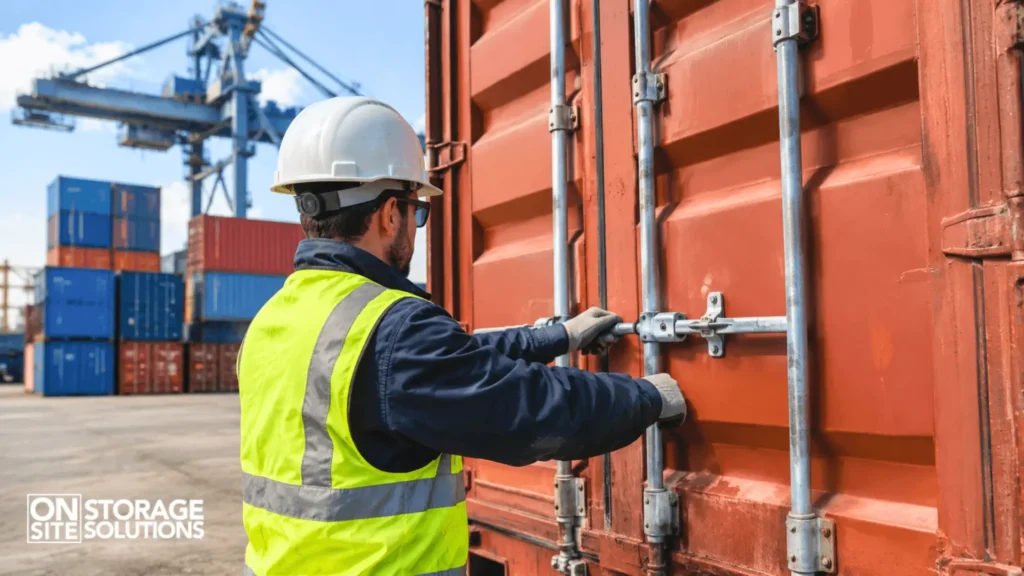
Lift the latches upward and ensure they are fully disengaged. Use a strong stance with one foot slightly ahead of the other and a slight bend in your knees. Pull the door outward carefully while keeping your balance. Avoid opening both doors at the same time, as this can cause them to jam in the middle.
If resistance occurs, check that the latches are entirely free. Some containers may have stuck locking bars due to rust or cargo pressure. Inspecting the door for unusual resistance prevents injuries and maintains the container’s structural integrity.
3. Opening the Left Door
After securing the right door, proceed with the left door. Flip both latches upward and free the door from its restraints. Take caution to ensure no cargo shifts unexpectedly. Many containers have items stacked to the door, which could fall once the container is open.
Maintaining proper posture is essential during this step. Use your legs, not your back, to push or pull the door. This technique reduces strain and allows better control over the heavy steel panels.
4. How to Open a Shipping Container – Inspecting the Interior Before Unloading
Once both doors are open, assess the contents before moving anything. Listen for unusual sounds like scraping or shifting, which may indicate that items have moved during transit. Cargo can collapse or tip over, causing injury if not handled carefully.
Proper inspection also allows you to plan the unloading process efficiently. Keep pathways clear and use equipment like forklifts or pallet jacks if necessary. This approach ensures both safety and efficiency in handling cargo.
5. How to Close a Shipping Container
Closing a container is as important as opening it. Start with the left door. Align the locking bars and cams properly before pushing the door into place. Flip the tabs on the locking bars down and turn the cane bolt into its designated hole. Ensuring correct alignment prevents damage to the door or locking mechanism.
After securing the left door, repeat the process with the right door. Pull the locking bar handles towards you, align the cams, and push the door firmly. Move the handles into place and flip the tabs down to lock the door securely. Closing the container carefully preserves the seal and ensures it is ready for transit or storage.
Tips for Safe Handling
While mastering how to open a shipping container, follow these additional safety and efficiency tips:
- Always use your legs, not your back, to handle the doors. Heavy doors can strain your muscles if lifted incorrectly.
- Place containers on flat, level surfaces to avoid warping floors or doors.
- Inspect the doors for unusual resistance, warped hinges, or misaligned locking bars before opening.
- Be aware of the cargo’s position inside. Even slight movement during transit can make unloading dangerous.
- Understand the container layout, including shipping container sides, the shipping container front door, and possible internal partitions.
These precautions minimize risk and ensure that both the container and cargo remain intact.
Understanding Container Variations
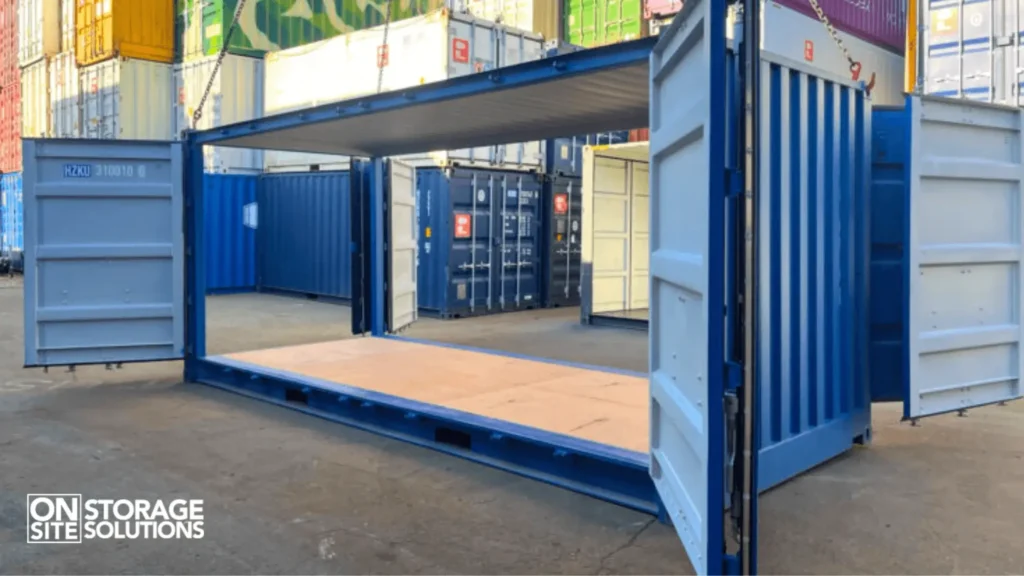
Shipping containers come in several types, and understanding the variations helps when learning how to open a shipping container. Standard containers have two front doors, while some models include side doors on the shipping container sides or internal access points, providing alternative entry points for easier cargo handling. Knowing the configuration allows you to approach the container correctly and choose the proper tools.
For example, larger containers may require two people to open safely. Smaller units may allow a single operator, but safety precautions are still essential. Containers with reinforced doors often have extra locking bars or SecuraCam seals that require special handling.
Knowing these differences can answer questions like can you open a shipping container from the inside. Typically, standard containers cannot be opened from the inside due to the locking mechanism, which enhances security during transit.
How to Open a Shipping Container: Choosing the Right Equipment
When handling containers, having the correct tools is essential. A quality bolt cutter, durable gloves, and a crowbar may be necessary depending on the container type. For containers with heavy or reinforced doors, mechanical aids or two-person handling ensures safety and efficiency.
Proper equipment also reduces the risk of damaging the shipping container door configurations. Misaligned doors or bent locking bars can be costly to repair. Following the step-by-step process with the right tools prevents these issues.
Conclusion
Learning how to open a shipping container is essential for logistics, storage, and shipping professionals. By preparing your workspace, understanding container types, and using proper techniques, you can access cargo safely while protecting the container. Always follow the correct door sequence, inspect seals and locks, and use proper safety gear to prevent accidents and damage.
On-Site Storage Solutions offers new and used containers for storage, shipping, or transit. Call us at (888) 977-9085 to find the right container and ensure safe, efficient cargo handling.
FREQUENTLY ASKED QUESTIONS
Yes, buying a shipping container is worth it if you need secure storage, durable transport, or a long-term solution for your logistics or shipping needs. New and used containers provide flexibility and protect cargo during transit.
To open a shipping container, start by removing seals and locks using proper tools like a bolt cutter. Open the right door first, then the left door, and inspect the interior before unloading. Always use safety gear and proper posture to prevent injury.
Yes, a shipping container business can be profitable. Containers are in demand for storage, logistics, and shipping, and offering new or used units can provide consistent revenue. Profitability depends on location, market demand, and service quality.
You may need local permits or approvals depending on how you use the container. For storage, shipping, or temporary use, most areas allow containers, but check local zoning laws if installing it permanently.
If you need long-term use, it’s better to buy a container. Leasing is ideal for short-term projects or temporary storage. Buying provides full control, customization, and long-term savings, while leasing offers flexibility without ownership responsibilities.


