



Can you open a shipping container from the inside is an important consideration for storage operators and logistics teams who depend on secure steel units for daily operations. Modern containers are designed for durability and security, with reinforced doors and locking systems that protect cargo during transport and storage.
Internal access depends on the container type and installed hardware, and many units require modifications to allow safe opening from within.
Can You Open a Shipping Container from the Inside: Structural Features and Door Design
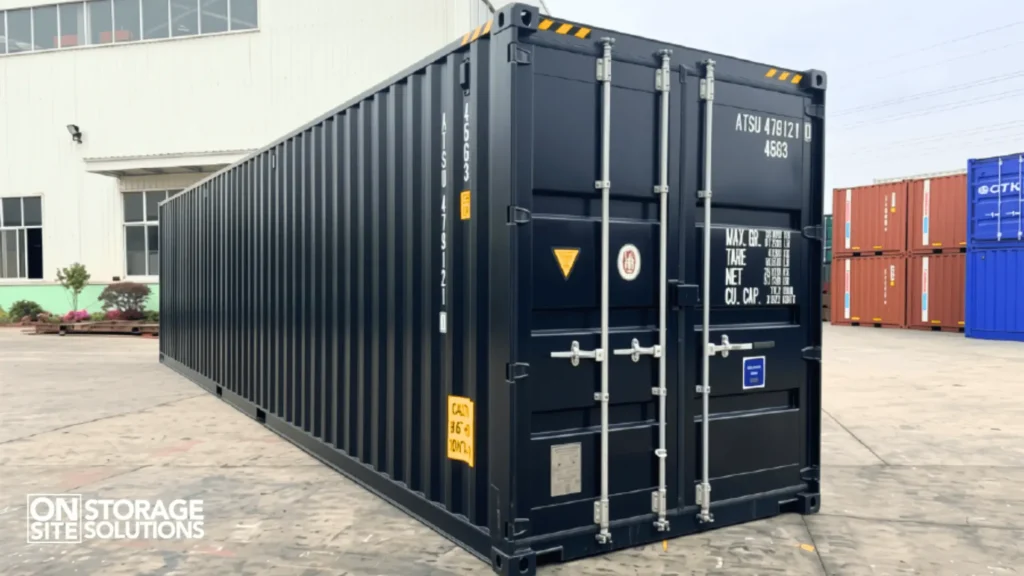
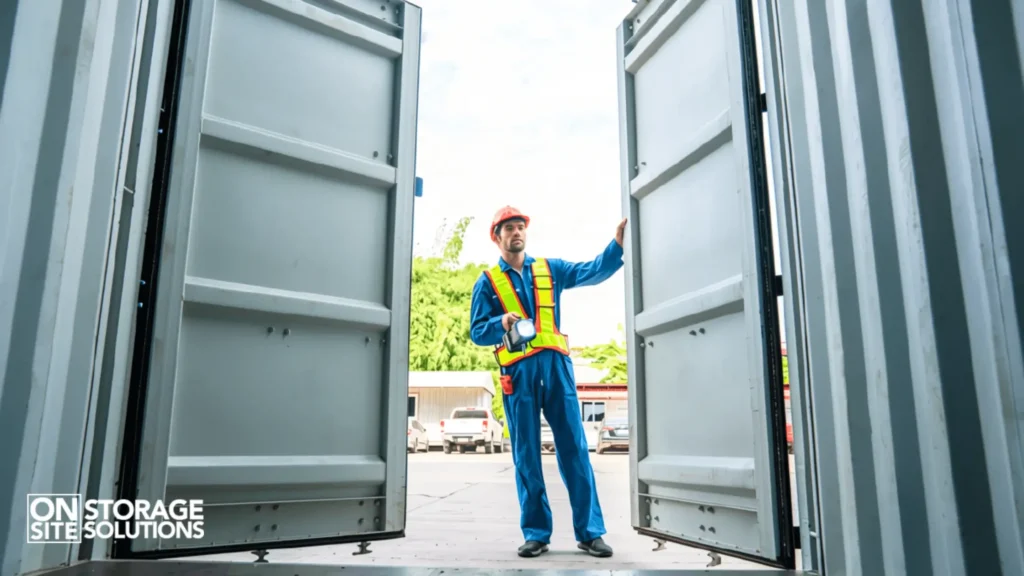
Door construction affects both accessibility and safety, with double cargo doors secured by vertical locking bars and cams that can be manually disengaged. Some modified units include a shipping container front door with interior handles to support frequent human entry and improve workflow on jobsites.
Interior access depends on latch placement and locking systems, and teams often verify can you open a shipping container from the inside before using containers for workspace or storage conversions.
Exploring Shipping Container Door Mechanisms and Locking Systems
Can You Open a Shipping Container from the Inside: Internal Latches and Safety Hardware
Many containers rely on shipping container latches or safety locks to keep doors secure. These systems include lock rods, cam locks, and rotating handles that engage the frame. In modified units, internal release handles allow controlled unlocking from within.
A cane bolt and spring latch system can appear near the bottom corner of the door. When lifted and rotated, the latch disengages the door frame. This allows a person inside to push the door open when internal access is installed properly.
Some designs include emergency release handles connected to the cam lock. When rotated, the locking bars disengage from the door frame. Safety officers reviewing workplace containers often ask can you open a shipping container from the inside as part of risk assessment procedures.
Can You Open a Shipping Container from the Inside: Locking Bars and Twist Mechanisms
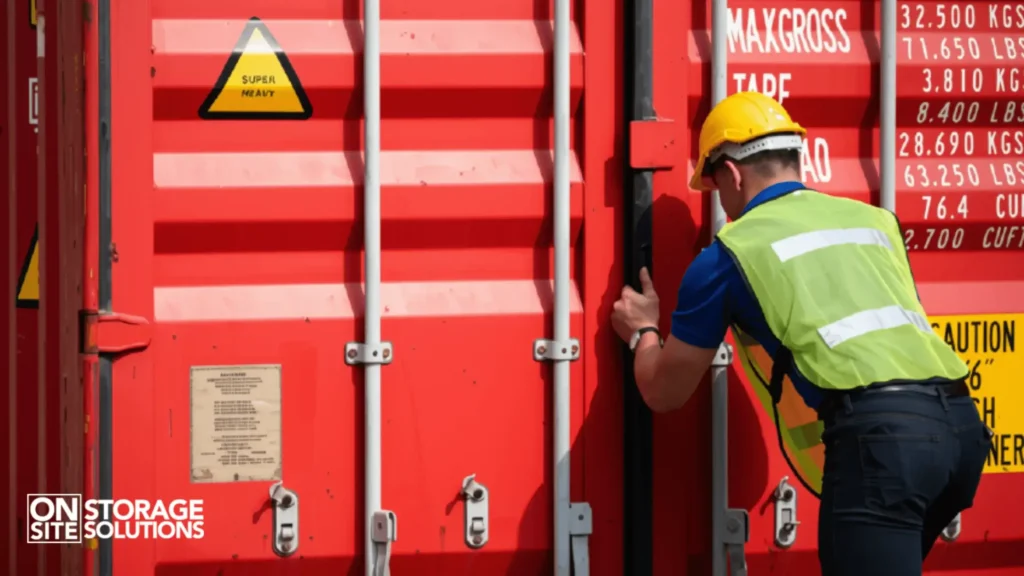
Locking bars run vertically along container doors and keep them sealed. Turning the handles moves cams into or out of locking slots on the frame. Internal access systems replicate this motion through interior levers.
A twist lock is typically used to secure containers to trailers or stacking systems rather than to lock doors. Still, understanding these mechanisms helps users recognize how containers remain stable and secure during handling. Secure anchoring supports overall safety when opening or closing doors.
Heavy duty shipping container locks may include padlocks or lock boxes for added protection. These accessories increase resistance to tampering. When evaluating enhanced security setups, teams also consider can you open a shipping container from the inside to ensure emergency exit options remain available.
Can You Open a Shipping Container From the Inside: Understanding Internal Access in Practice
Safe internal access exists primarily in containers intended for human occupancy or frequent entry. Worksite storage units, pop up shops, and mobile workshops commonly include interior handles. These modifications prioritize safety and user convenience.
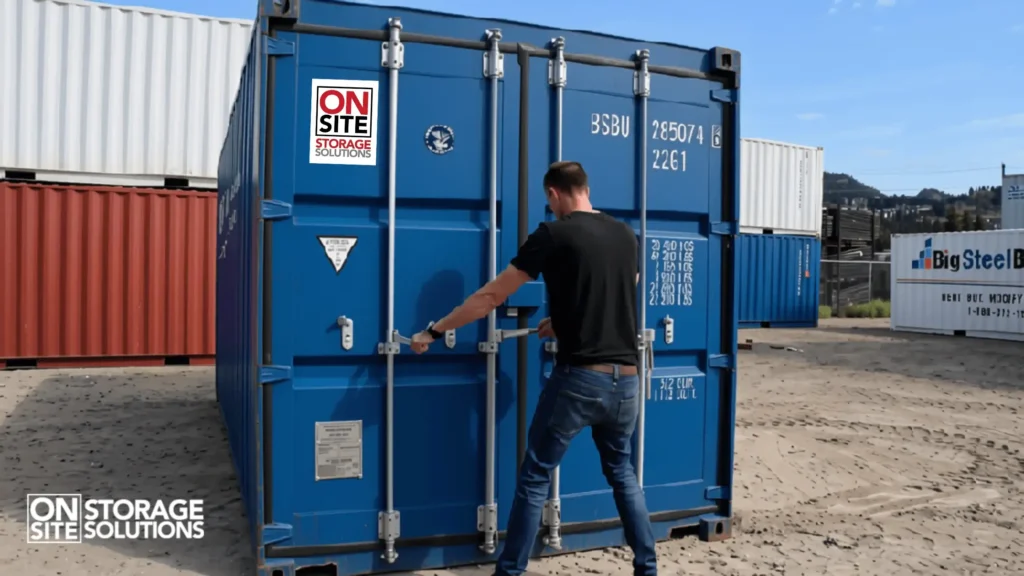
When planning how to open a shipping container, users must consider the door configuration and installed hardware. Operators typically release locking bars first before pushing the door outward. Training ensures workers understand the correct sequence.
Internal releases allow the doors to disengage quickly during emergencies. This design supports safety compliance in environments where people enter containers regularly. Proper ventilation and lighting also enhance usability.
Can You Open a Shipping Container From the Inside: Practical Door Safety Tips
Step 1. Start with the right side door
Open the right door first because it overlaps the left door and must be released before the second panel can move.
Step 2. Lift the handles upward
Raise the locking handles to disengage the cams from the container frame before attempting to pull the door open.
Step 3. Position your body safely
Keep stable footing with one foot slightly forward and maintain balance while preparing to open the door.
Step 4. Stand to the side while pulling
Pull the door outward from a side position to reduce the risk of injury if cargo has shifted against the door.
Step 5. Secure the right door open
Make sure the right door is fully open and stable before proceeding to the next door.
Step 6. Move to the left door
Repeat the same handle lifting and pulling process to release and open the left door.
Step 7. Handle locking bars carefully
Operate locking bars gently and correctly to avoid damaging the hardware and to maintain proper function.
Step 8. Follow the correct sequence every time
Using the proper order of opening helps improve safety and extends the life of the container doors.
Securing Shipping Container Doors After Use
Closing procedures reverse the opening sequence. The left door closes first so that the overlapping right door can seal tightly against it. Proper alignment of cams and bars ensures a secure closure.
Handles must be pushed into retainers to prevent accidental movement. Internal cane bolts or slide bolts provide additional reinforcement. Operators should confirm that every latch sits fully engaged.
Security accessories such as padlocks can be added once the doors are closed. These measures protect stored equipment and inventory. Consistent procedures also reduce wear on locking components.
Safety Practices for Internal and External Operation
- Stay clear of hinges and pinch points while opening or closing doors
- Steel doors are heavy and may swing quickly, especially in windy conditions
- Wear gloves and protective footwear to reduce the risk of injury
- Inspect the surrounding area for debris, uneven ground, or obstacles before opening
- Maintain a clear swing path to improve safety and workflow efficiency
- Provide proper training so teams understand the limits of standard cargo containers
- Install internal opening systems correctly to ensure safe operation
- Supervisors should review can you open a shipping container from the inside during safety briefings to reinforce emergency preparedness
- Conduct regular inspections to confirm latches and locking bars remain in good condition
Advanced Modifications That Improve Inside Accessibility
Modern shipping container conversions include interior panic bars and quick release handles. These additions allow fast exit during emergencies. Such modifications are common in mobile offices and site accommodation units.
Ventilation systems also play a role in safe internal access. Fresh airflow reduces heat buildup and improves working conditions. Adequate lighting helps workers locate handles and latches quickly.
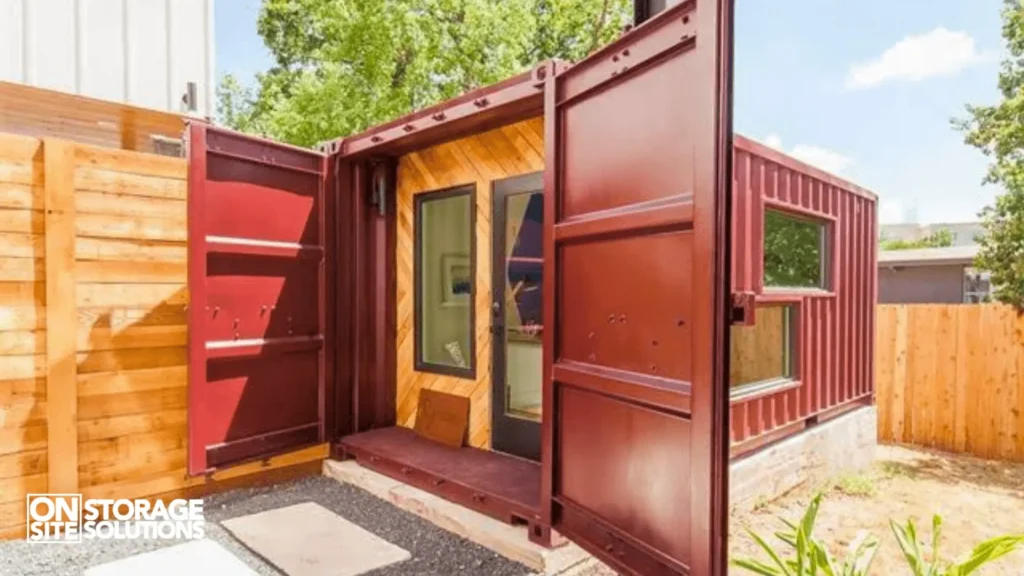
Organizations that depend on containers for daily operations often invest in customized door solutions. These upgrades increase usability while maintaining structural strength. The result is a versatile storage unit suitable for a wide range of applications.
Final Thoughts
Can you open a shipping container from the inside becomes a practical reality when containers are designed or modified with internal release systems and safety features. Standard cargo units focus on external locking, but workspace conversions and storage containers with interior mechanisms improve usability without sacrificing security. Understanding door hardware, safe opening procedures, and proper maintenance helps reduce risks and keeps containers functioning efficiently.
On-Site Storage Solutions offers durable shipping container units built for secure storage and practical access, ideal for worksites, equipment storage, and customized container projects. Call (888) 977-9085 to discuss your storage needs and get a container setup that supports safe and efficient operations.
FREQUENTLY ASKED QUESTIONS
Yes, you can open a container from the inside if it is designed or modified with internal release mechanisms, cane bolts, or emergency handles. Standard cargo containers may need adjustments for safe internal access.
To unlock a container, lift the locking handles, disengage cams, and release the locking bars. For containers with internal access, handles or emergency releases can also allow safe opening from the inside.
Shipping containers are made with durable steel, typically 1.6 to 2 mm thick for walls and reinforced doors, providing strong security and protection during transport or storage.
It’s best to place containers on a flat, level surface such as concrete, compacted gravel, or steel beams to ensure stability, prevent shifting, and allow proper door operation.
A standard shipping container can last 15–20 years or more with proper maintenance, including checking locks, latches, and doors, and keeping it elevated and level to prevent corrosion.


