





Shipping container survey is a crucial process in global trade, ensuring containers used to transport goods across the world remain secure, compliant, and efficient. Conducting regular inspections helps maintain the integrity of containers, prevents damage to cargo, and ensures safety in transit.
For businesses relying on shipping containers, understanding the inspection process can save time, money, and operational headaches. Proper inspections help identify potential issues early, reducing costly repairs and operational delays.
This guide covers everything you need to know about the process, its significance, and the types of inspections commonly conducted in the logistics industry.
What is a Shipping Container Survey and Why It Matters
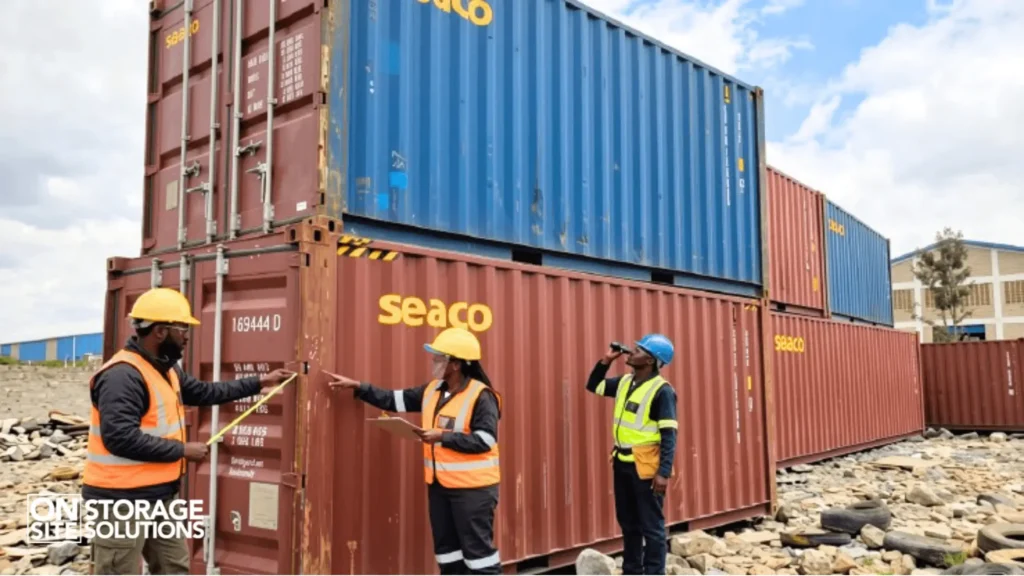
A shipping container survey is a professional inspection carried out by a certified surveyor. The survey assesses the shipping container condition, including structural integrity, doors, flooring, and seals, ensuring it meets regulatory standards.
- Inspect the Exterior of the Container
Inspect the container’s outer shell for dents, holes, corrosion, or physical damage. Special focus is given to corner castings, side panels, and the roof, areas most prone to wear and tear. Surface rust, paint condition, and previous repairs are also documented.
- Inspect the Interior of the Container
The interior is examined for water damage, mold, cracks, or deformations that could compromise cargo safety. Inspectors also check for pest activity, odors, or contamination, which is essential if the container is repurposed for storage or habitation.
- Check Doors and Seals
Doors are critical for security and environmental protection. The surveyor ensures doors open and close properly, hinges and locking rods work smoothly, and rubber gaskets are intact to prevent moisture intrusion.
- Evaluate Container Flooring
Whether plywood or steel, the floor is inspected for rot, warping, oil stains, or corrosion. Any damage affecting structural integrity is flagged for repair or replacement.
- Verify Documentation
Inspectors ensure all certificates, including the CSC plate, are valid and readable. A shipping container CSC survey confirms that containers meet international standards, ensuring smooth port operations and proper insurance coverage.
Importance of a Shipping Container Survey for Safety and Compliance
How Inspections Ensure Safety
Safety is the top priority. Containers with weak spots or corrosion can collapse. This can damage cargo or injure personnel. Regular inspections keep containers safe for transport and stacking.
Checking Structural Integrity
Inspectors examine corners, side panels, and roofs. Small cracks or dents are fixed before they become serious problems.
Detecting Environmental Hazards
Moisture, mold, and pests can damage containers and cargo. Inspectors check walls, floors, and ceilings to prevent contamination.
How Inspections Ensure Compliance
Containers used in international trade must meet IMO and CSC standards. Inspections verify compliance and prevent delays, fines, or denied entry at ports.
Maintaining Proper Records
Keeping accurate documentation helps ensure compliance with international standards, smooth port operations, and valid insurance coverage.
Meeting International Standards
Containers are checked against IMO and ISO rules. Compliance ensures safe global transport and smooth port operations.
Types of Shipping Container Surveys
On-Hire Inspection
Conducted before leasing a container, this inspection documents its current condition to avoid disputes. Any existing damages are recorded to establish a baseline for the rental period. A shipping container survey ensures everything is noted before use.
Off-Hire Inspection
Performed at the end of a rental, it compares the container’s condition against the on-hire report. New damages are identified, ensuring accountability for repairs or financial compensation.
Condition Assessment
A comprehensive check can occur at any point in a container’s life cycle. It evaluates safety, repair needs, and suitability for repurposing, such as mobile offices or storage.
Inspection of New and Used Containers
New containers are checked for ISO compliance and quality standards. For businesses looking for ISO containers for sale, inspections ensure the units are safe, compliant, and ready for use. Used containers are assessed for wear, rust, and structural integrity to determine safe usage.
Shipping Container Inspection Checklist
- Check overall structure for integrity
- Verify CSC plate presence and legibility
- Inspect doors, hinges, and locking mechanisms
- Examine flooring for damage or contamination
- Inspect interior for leaks, mold, or odors
- Confirm all markings and placards are accurate
An ISO container checklist ensures containers are fit for shipping, storage, or modification, reducing risk in global logistics operations.
Conclusion: Trust the Experts for Your Shipping Container Survey
Conducting a survey is essential to maintain safety, compliance, and efficiency in logistics. By understanding the process, types of surveys, and inspection checklist, businesses can safeguard their cargo and operations. Regular surveys prevent accidents, reduce maintenance costs, and ensure reliable international shipping. A thorough inspection also helps identify potential issues before they escalate, saving time and money.
For trusted shipping container surveys, On-Site Storage Solutions offers expert services and high-quality containers. Contact us at (888) 977-9085 for guidance and solutions tailored to your container needs.
FREQUENTLY ASKED QUESTIONS
A container survey is a professional inspection of a shipping container to assess its condition, including structural integrity, doors, flooring, and seals. Surveys ensure the container is safe for transport or storage, meets regulatory standards, and prevents damage to cargo.
The two main types are on-hire and off-hire inspections. On-hire inspections occur before leasing a container to document its condition. Off-hire inspections take place after use to identify new damages and ensure accountability for repairs or financial compensation.
A container inspection checklist is a guide used by surveyors to verify the container’s condition. It includes checking the structure, doors, flooring, seals, interior for mold or leaks, CSC plate validity, and markings, ensuring the container meets safety and compliance standards.
Inspect a shipping container by examining the exterior for dents, rust, or damage, checking the interior for water ingress or pests, verifying doors and seals function properly, inspecting flooring for rot or corrosion, and confirming documentation such as the CSC plate is valid.
The main purpose of a shipping container survey is to ensure safety, compliance, and reliability. It identifies structural weaknesses, environmental hazards, and documentation issues, helping businesses prevent cargo damage, reduce maintenance costs, and guarantee smooth operations in global shipping and storage.


