


When searching for ISO containers for sale, it’s important to understand what makes these containers reliable, compliant, and suitable for your specific needs. ISO shipping containers are standardized steel containers designed for intermodal freight transport across ships, trains, and trucks. International Organization for Standardization to ensure uniform dimensions, safety, and durability worldwide.
They follow strict regulations set by the businesses across logistics, construction, retail, agriculture, and residential sectors that rely on ISO containers for their strength and versatility. Understanding sizes, types, grades, and certifications helps you choose the right container for shipping, storage, or conversion projects.
This comprehensive guide explores everything you need to know before purchasing ISO containers so you can maximize value, safety, and long-term performance.
Factors to Consider When Buying ISO Containers for Sale
Choosing the right container requires more than comparing prices. When evaluating ISO containers for sale, you should assess size, container type, structural condition, grade classification, and compliance certifications. Making the right choice ensures your investment remains secure, durable, and suitable for your intended purpose.
Understanding ISO Container Sizes
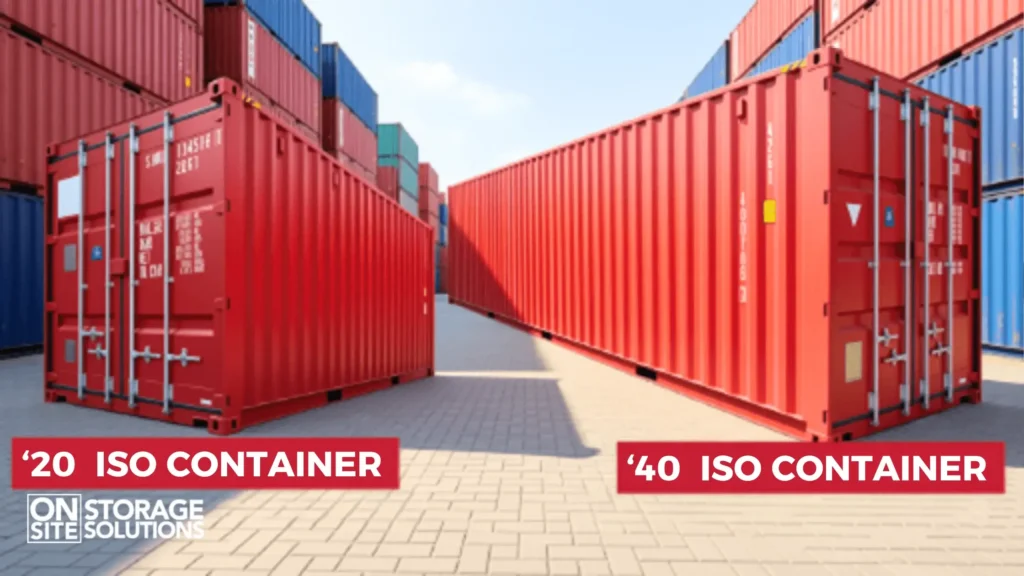
ISO containers come in standardized dimensions to accommodate global transportation systems. The most common sizes include:
- 20-foot containers – Ideal for smaller loads and limited space.
- 40-foot containers – Suitable for large-scale cargo or bulk storage.
- 40-foot high cube containers – Provide extra vertical clearance for oversized cargo.
Selecting the correct size ensures efficiency in loading, transportation, and placement on-site. Businesses in shipping and logistics must carefully calculate cargo volume and weight to determine the most cost-effective option
Specialized ISO Containers
For clients needing liquid cargo solutions, we also offer an ISO tank container for sale, ideal for safely transporting chemicals, liquids, or other specialized cargo. Choosing the right type prevents damage and ensures smooth handling during transit.
Shipping Container Conditions and Grades
Before finalizing your purchase, it’s crucial to evaluate container condition and grading. The condition affects durability, appearance, and overall pricing.
Container Conditions Explained
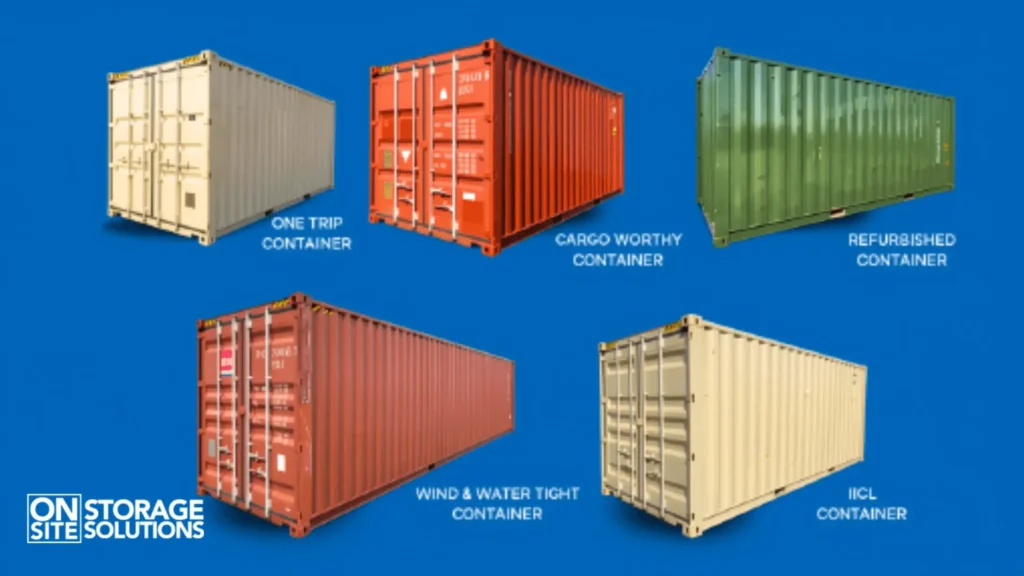
There are three primary container conditions available on the market:
These containers have been used only once to ship cargo from the manufacturer. They are in near-perfect condition and ideal for buyers who want minimal wear and maximum lifespan.
- Used Containers
Used containers may show surface rust, dents, or faded paint but remain structurally sound. They are a cost-effective solution for storage and non-sensitive cargo.
Refurbished (WWT – Wind & Water Tight)
Refurbished containers undergo repairs, priming, and repainting. They meet wind and water tight standards, ensuring protection against weather conditions.
Purchasing a broken shipping container is only advisable for non-transport use, such as storage or creative projects.
- Shipping Container Grades
Container grades indicate their shipping eligibility and structural integrity:
- IICL Grade – Meets strict inspection criteria for international shipping.
- Cargo Worthy (CW) – Approved for secure global transportation.
- Wind and Water Tight (WWT) – Suitable for storage use.
- As-Is – Sold in damaged condition and not recommended for transport.
Understanding grades helps buyers determine whether the container will be used for export, storage, or structural modification.
Quality Standards for ISO Containers for Sale
When reviewing ISO containers for sale, always verify certifications and compliance standards. These certifications confirm safety, durability, and global acceptance.
CSC Certification
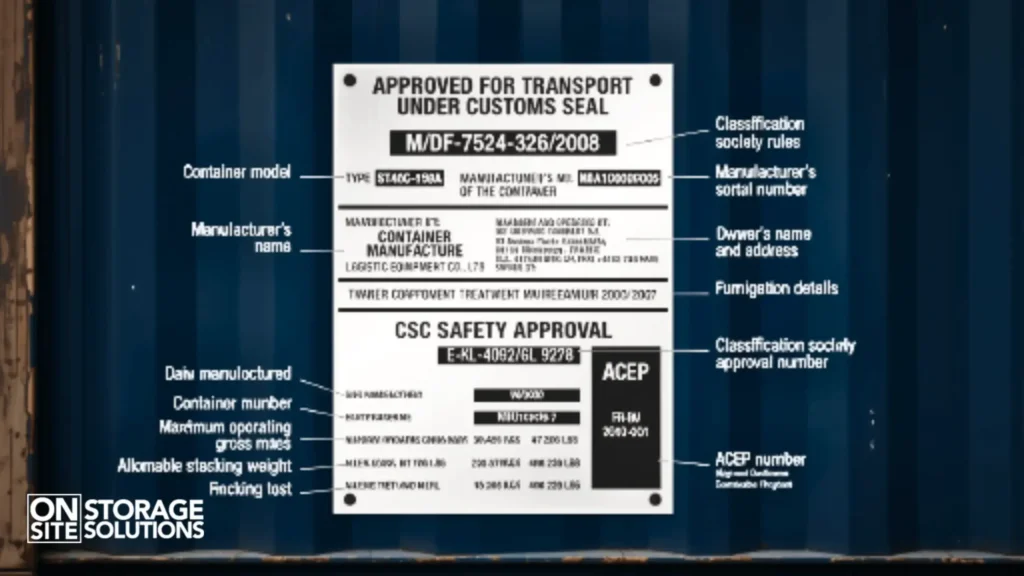
The Container Safety Convention (CSC) plate ensures the container meets international safety and structural standards. A valid CSC plate is mandatory for international shipping and confirms the container’s seaworthiness. Every container also undergoes a shipping container CSC survey to verify compliance with these regulations.
ISO 6346 Standard
ISO containers comply with the ISO 6346:1995 standard, which establishes identification coding and marking requirements for intermodal containers. This ensures accurate tracking and global recognition.
ISO 9001 Certification
For suppliers and logistics providers, ISO 9001 certification demonstrates adherence to internationally recognized quality management systems. This certification indicates consistent operational standards and customer satisfaction practices.
Conducting a shipping container survey before purchase ensures the unit is structurally sound and suitable for your cargo, avoiding costly surprises later.
Why Businesses Choose ISO Containers for Sale
ISO containers offer unmatched durability, mobility, and adaptability. Constructed from high-grade steel, they withstand harsh weather, heavy stacking loads, and long-distance transport. Their modular design also allows repurposing into:
- On-site storage units
- Mobile offices
- Retail pop-up spaces
- Equipment housing
- Residential container homes
Because they meet global standards, these containers integrate seamlessly into existing logistics networks. Their standardized dimensions simplify shipping calculations, stacking configurations, and intermodal transfers.
For businesses prioritizing efficiency, investing in ISO containers reduces operational delays and protects valuable cargo.
Long-Term Value and Maintenance
Purchasing ISO containers is a long-term investment. To extend lifespan and maintain performance, consider these maintenance tips:
- Inspect seals and door gaskets regularly.
- Inspect for rust and apply protective coatings as needed.
- Ensure proper ventilation to reduce moisture buildup.
- Keep the container elevated to prevent ground corrosion.
Routine inspections prevent minor issues from developing into costly structural damage.
Final Thoughts on ISO Containers for Sale
Understanding ISO containers for sale requires evaluating size, type, condition, grading, and certifications. Making an informed decision ensures you select a container that meets your cargo, storage, and regulatory requirements.
If you need a container for international shipping, commercial storage, or custom projects, choose one that is structurally sound and certified. Working with a trusted supplier ensures a durable, cost-effective solution with long-term value.
Looking for an Intermodal Container For Sale?
Discover a wide range of intermodal containers for sale at On-Site Storage Solutions. Whether you need a durable container for residential, commercial, or industrial use, we offer reliable storage solutions in various sizes and configurations.
Contact us today at (888) 977-9085 to explore available inventory and find the ideal container that meets your needs and exceeds expectations.
FREQUENTLY ASKED QUESTIONS
An ISO container is a standardized steel shipping container designed for intermodal transport across ships, trucks, and trains. It follows international ISO regulations for uniform dimensions, safety, and structural durability.
ISO containers come in Dry Van, Refrigerated (Reefer), Open-Top, Flat Rack, and ISO Tank types. Each serves specific cargo needs, from general goods to temperature-sensitive liquids or oversized equipment.
A well-maintained ISO container typically lasts 10–15 years for shipping purposes. Used for storage only, it can last 20–25 years if properly inspected, maintained, and protected from rust and environmental damage.
Standard ISO containers commonly measure 20 feet or 40 feet in length, with a width of 8 feet and a height of 8.5 feet. High cube variants offer an extra foot of height for additional cargo volume.
Planning permission depends on your local regulations and the container’s intended use. Residential or permanent placement may require approval, while temporary storage or industrial use often does not. Always check with local authorities.


